Rust Solo Survival Next to Oil Rig
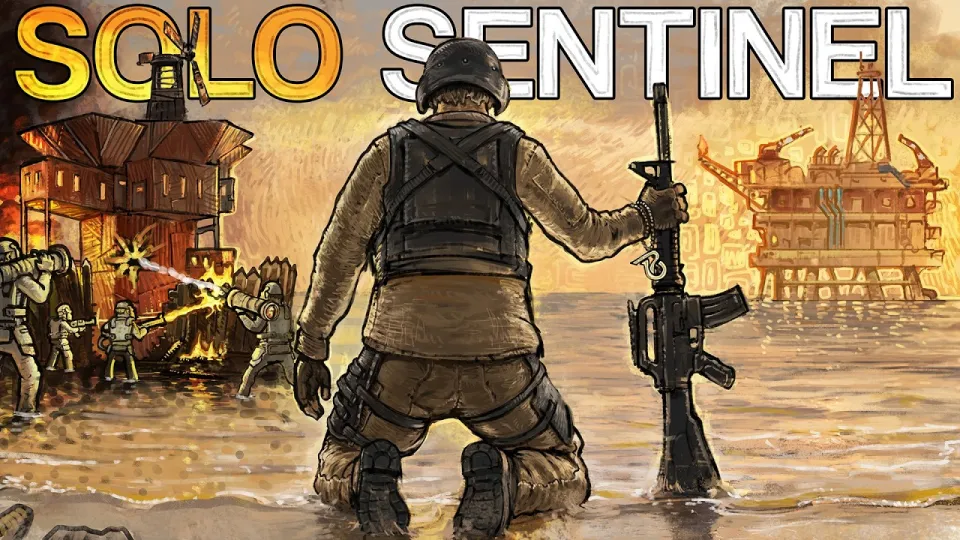
Video: The Solo Sentinel - Rust
You can order the same kind of articles for your own video to boost it on YouTube and Google. Just message the Telegram bot @sat_sit_bot. The bot writes and publishes the articles itself (with your YouTube video embedded) on popular topical websites (no ads). Your first 50 articles are free.
· based on the channel Blooprint
Key takeaways
- Blooprint's solo run is built around a base placed directly next to the oil rig monument, giving fast access to high-tier loot and constant PvP pressure.
- The run starts from a fresh wipe snowball: primitive gear, a quick base, and a race to secure the oil rig area before larger groups move in.
- Solo play means every fight, raid defense, and upgrade decision is handled by one player, with no teammates to cover comms or farming.
- Viewer response pushed hard for more solo content, with the raid attempt near the base becoming one of the most discussed moments.
- The full video is a Blooprint production, with links to his Twitch, Kick, TikTok, Twitter, and Discord in the description.
Rust solo survival is about turning a weak start into a defensible position before bigger groups notice you, and one of the clearest examples is building right next to the oil rig monument. In Blooprint's solo run, that means a fresh-wipe snowball, a base placed within walking distance of one of the most contested loot zones in the game, and a wipe spent defending it against players who arrive with rockets. The full stream and future runs are on Blooprint's Twitch channel.
Why building next to oil rig works for a Rust solo
A base next to oil rig compresses the entire progression loop into a few hundred meters: you farm on the coast, craft in a small footprint, and contest the monument without a long, exposed run home. The oil rig itself supplies high-tier crates, military tunnels, and heavy scientist fights, so a solo who controls the approach can skip large parts of the usual scrap grind. The trade-off is visibility. Everyone who runs oil rig sees your base, and groups treat it as a forward operating base to take or destroy.
Blooprint's approach leans into that pressure instead of hiding from it:
- Establish the base early on wipe day, while most players are still farming primitive gear.
- Keep the footprint small so a solo can seal it, upgrade it, and add turrets without a full clan's worth of resources.
- Use the water approach as an escape route and a flank, since attackers rarely watch the shoreline.
- Treat every oil rig run as a fight, not a farm trip, because somebody is always watching the monument.
The fresh wipe snowball start
A snowball start means converting one early kill into a chain of upgrades: primitive weapon into a gun, gun into a kit, kit into raid materials. On a fresh wipe, the first hours decide whether a solo is a target or a threat, and the video's opening follows that exact arc. Beating a better-geared player near a monument gives a solo loot that would otherwise take hours to farm, and the winner usually gets to choose where the next fight happens.
The risk is that snowballing attracts attention faster than a solo can build. Every kill near oil rig sends players back with better gear, and a small base that survives one fight may face a group the next day with explosives. That tension between fast progress and constant threat is what makes the solo format readable: there is no teammate to farm while you defend, and no second pair of eyes on the door.
Defending a solo base against a rocket raid
A raid on a solo base next to oil rig is not a question of if but when, and the video's most discussed moment is exactly that: attackers arriving with rockets while the owner is still upgrading. Rocket raids punish wide, flat bases, so the defensive checklist for a solo comes down to a few concrete habits:
- Layer the core with stone or metal honeycomb so rockets open rooms rather than the loot room.
- Put turrets where they cover the approach from the water and the road, not just the front door.
- Keep a secondary stash of guns and explosives outside the main loot room.
- Seal every room, including the ones you think nobody will reach, because splash damage opens paths you did not plan for.
- Stay inside during the raid and trade shots through doors instead of meeting attackers in the open.
Even a well-built solo base can lose to a determined group with enough rockets. What matters is the cost: every rocket spent on a solo base is a rocket not spent on a clan war, and a defense that forces attackers to commit resources is a win in a wipe economy.
What solo content changes about the viewing experience
Solo Rust videos work because the player narrates decisions instead of team comms, so viewers hear the reasoning behind every rotate, trade, and upgrade. In a group video, half the audio is callouts and jokes between teammates; in a solo run, the creator talks directly to the audience and explains why a door goes here, why a fight is worth taking, and why the oil rig run should wait until the base has turrets.
That structure also makes the struggles relatable. Losing a kit, getting raided, or missing a shot on a geared player is something every Rust player has experienced, and a solo video shows the recovery rather than hiding it. It is the main reason so much of the feedback around this run asked for more solo uploads alongside the group series.
Common questions from solo Rust players
Players watching a base next to oil rig usually want to know whether the location is viable without a clan, how much farming it takes, and what to do when a raid starts while the base is still wood. The short answer: the location is viable if the base is small, layered, and defended by turrets before the first serious raid attempt, and if the owner accepts that losing a fight near oil rig is part of the strategy rather than the end of the wipe.
The other recurring theme is timing. Building near a monument on wipe day is a race, and arriving after the first groups have settled usually means fighting for the same real estate with worse gear. Starting early, farming close to home, and upgrading before expanding is the pattern that keeps a solo alive long enough to matter.
All Blooprint links from the video
- Twitch: https://www.twitch.tv/blooprint
- Kick: https://kick.com/blooprint
- TikTok: https://www.tiktok.com/@blooprintgames
- Twitter: https://twitter.com/blooprintgames
- Discord: https://discord.gg/blooprint
Final thoughts on the solo sentinel run
The value of this run is not a clean win but a demonstration of how far one player can push a bad position with good decisions. Building next to oil rig forces constant contact with better-equipped groups, and holding that ground for a full wipe requires layered defenses, a stash outside the core, and the discipline to upgrade before expanding. Blooprint's video breakdown captures both the highs of a snowball start and the frustration of a rocket raid that arrives at the worst possible time. For live runs and future solo experiments, follow along on Blooprint's Twitch stream.
Questions & answers
Is it worth building a solo base next to oil rig in Rust?
Yes, if the base stays small and gets turrets early. The oil rig gives fast access to high-tier crates and military tunnels, so a solo can skip hours of scrap farming. The catch is visibility: every group running the monument sees the base and may treat it as a raid target.
How does a solo player defend against a rocket raid?
Layer the core with honeycomb so rockets open empty rooms, place turrets to cover the water and road approaches, and keep a backup stash of gear outside the main loot room. Stay inside and trade through doors rather than fighting in the open, and seal every room so splash damage does not create a path to the loot.
Why do viewers prefer solo Rust content over group videos?
Solo videos let the creator narrate decisions directly to the audience instead of splitting audio with team comms. Viewers hear the reasoning behind each fight, upgrade, and rotate, and the losses feel relatable because every Rust player has lost a kit or been raided.
What is a snowball start on a fresh Rust wipe?
A snowball start is converting one early kill into a chain of upgrades: a primitive weapon becomes a gun, the gun becomes a full kit, and the kit funds raid materials. On wipe day it decides whether a solo becomes a threat near a monument or stays a target for better-geared groups.
Source: The Solo Sentinel - Rust · Markdown version